
The Hatteras-Ocracoke ferry is free through the end of 2026 (tolls start January 1, 2027), runs year-round, and is the only way to get a 4x4 from Hatteras Island onto Ocracoke. But the crossing takes about 70 minutes dock to dock, the schedule shifts seasonally, and during summer the wait at the Hatteras terminal can be 2+ hours each way. This guide covers timing, schedules, the best strategy for day trips versus overnight, and how to combine the ferry with beach driving on both islands.

Is the ferry running today?
These are NCDOT’s own cameras at the two Hatteras Inlet docks, refreshed about once a minute. If the Hatteras lot is stacked back toward the road you are looking at a wait; if it is empty you are probably driving straight on. For closures and schedule changes, NCDOT’s ferry routes page carries current status, and its FINS alert system will text or email you when a route changes.
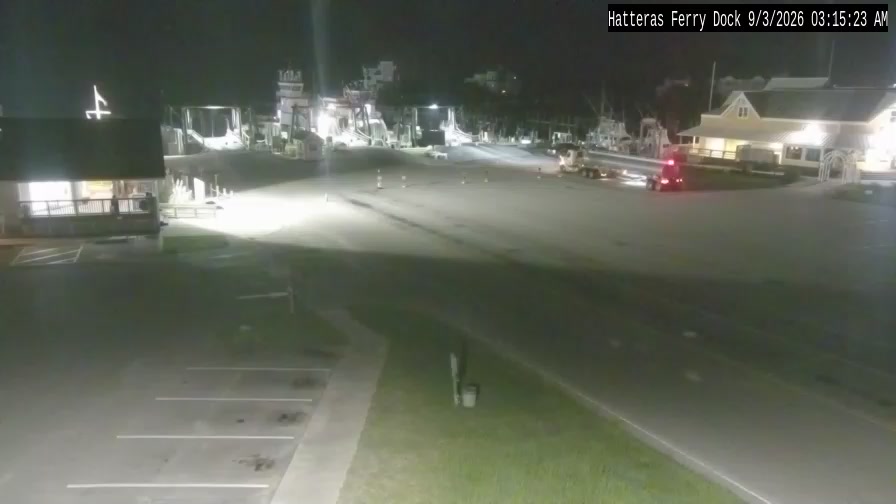
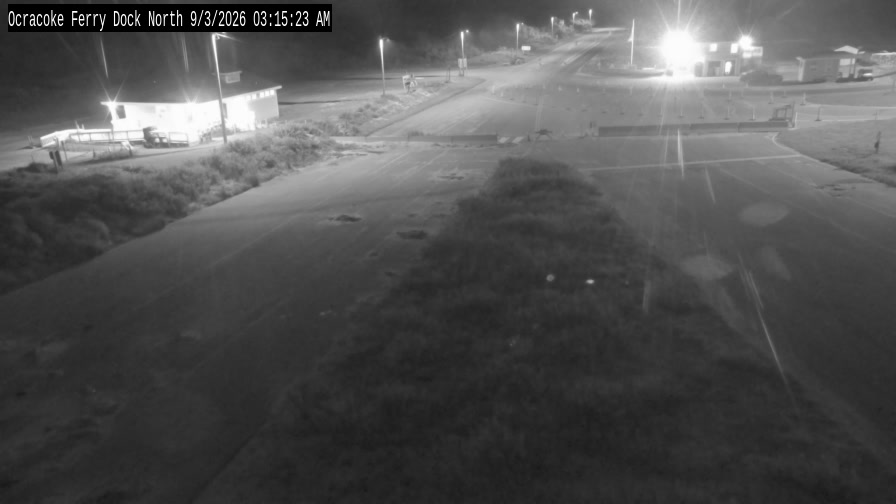
How the Hatteras-Ocracoke Ferry Works
The North Carolina Department of Transportation runs the Hatteras-Ocracoke ferry as a free, first-come-first-served vehicle ferry. There are no reservations on this route — you simply drive to the Hatteras terminal at the south end of NC-12, pay nothing, and wait in the queue. Once on board, the crossing takes about 70 minutes. NCDOT lists the run at 70 minutes on its 2026 schedule; the old 40-minute crossing went away when shoaling in the inlet forced the boats onto a longer channel. From late March through mid-October, ferries leave Hatteras about every 30 minutes through the middle of the day. The rest of the year they run about hourly, thinning to every one to two hours from New Year’s into early March. The first boat leaves Hatteras at 5:00 AM and the last at midnight in every season. One more thing to know: under the state budget passed in July 2026, this route will be tolled starting January 1, 2027. Rates had not been set as of September 2026 (the N.C. Board of Transportation is due to vote on them November 5, 2026), so for the rest of 2026 you still pay nothing.
On board: loading, pets, and what is on the boat
Loading is simple. Ferry staff wave you into a lane and park you tight, front to back, so set the parking brake and expect to be boxed in until Ocracoke. You can get out and walk the deck during the crossing; there is a passenger lounge and restrooms on board, and vending machines are the only food, so eat in Hatteras Village first. Any vehicle that can legally drive the highway can ride, trailers and RVs included (over 65 feet needs a special permit from NCDOT). Dogs are welcome, either in the vehicle or on a leash on deck, and you clean up after them. Residents and commercial traffic carrying priority passes load first, which is why a short-looking line can still cost you an extra boat.
Typical Ferry Schedule
Schedules change seasonally and after major storms. Always check the official NCDOT ferry page before traveling. Hatteras departures from NCDOT’s 2026 schedule, in plain terms:
| Season | Frequency | First / Last Boat |
| Late March – mid October | Every 30 min through midday, hourly early and late | 5:00 AM / midnight |
| March, and mid October – December | Hourly until 6 PM, then 8, 9 and 11 PM | 5:00 AM / midnight |
| January – early March | Every 1–2 hr (14 boats a day) | 5:00 AM / midnight |
Day Trip Timing Strategy
If you’re staying in Hatteras and want to do a day trip with your 4x4 to drive Ocracoke ramps 59–72, plan to leave at first light. Board the 5:00–6:00 AM ferry, drive south through Ocracoke village, hit Ramp 59 by 8 AM, work your way south to Ramp 72 with a stop at the Ocracoke Lighthouse and lunch in the village, then catch a 4:00–5:00 PM ferry back. Summer crowds make the last ferries of the day very long waits — leaving Ocracoke before 4 PM is much smoother than after.
Coming back: Ocracoke to Hatteras
The return run is the one that catches people. The Ocracoke-to-Hatteras line forms at the north-end dock, 13 miles up NC-12 from the village, so allow about 20 minutes just to get there. Departures from Ocracoke mirror the Hatteras side: first boat between 4:00 and 4:30 AM depending on season, last boat at midnight, and every 30 minutes through the middle of a summer day. The trouble is that everyone leaves at once. The late-afternoon boats back to Hatteras are the ones with two-hour lines in July and August. Leave the village before 4 PM, or have dinner on Ocracoke and take an evening boat instead. The Ocracoke dock cam above shows the return line before you drive up to it.
Overnight Strategy
For a less rushed trip, stay one night in Ocracoke village. There are several hotels and B&Bs, plus campsites at the National Park Service campground. This lets you drive multiple ramps over two days and catch sunrise on the beach without ferry pressure. Book lodging well in advance for summer — Ocracoke village has limited rooms.
Combining Ferry with Beach Driving
Many drivers air down at Hatteras Ramp 55 before boarding, drive a few miles south on the Hatteras beach to kill time during long waits, then queue at the ferry. Once on Ocracoke, you can drive directly off the ferry, head south through the village, and air down at Ramp 59 within 30 minutes of disembarking. Bring your air compressor — you’ll need to re-inflate before the ferry ride home.
Cedar Island and Swan Quarter Routes
Ocracoke is also reachable from the mainland via paid ferries from Cedar Island (Beaufort County) and Swan Quarter (Hyde County). Cedar Island is about 2 hours 15 minutes each way and Swan Quarter about 2 hours 40, both dock at Silver Lake in Ocracoke village, a standard vehicle under 20 feet is $15 one way, and NCDOT recommends reservations (in summer, treat that as required). Bookings open 90 days ahead and go through NCDOT — online or by phone on 1-800-BY-FERRY (commercial vehicles use 252-791-3300). The Hatteras run takes no reservations at all, so nothing to book on that one. Most beach drivers use these only when approaching from the south (e.g., New Bern) — the free Hatteras ferry is the standard route from the rest of OBX.
Ferry tolls in 2027: what is known so far
Under the state budget passed in July 2026, NCDOT has to start charging on its four remaining free routes, Hatteras-Ocracoke included, on January 1, 2027. As of early September 2026 no rates have been set. NCDOT is holding public listening sessions September 1 through 9, taking an online survey and written comments through September 14, presenting recommended rates to the N.C. Board of Transportation on October 8, and asking the board to adopt them on November 5. Dare County has backed a permanent toll waiver for locally registered vehicles. Until a number is published, the only safe planning assumption is that a 2027 trip will cost something and a 2026 trip will not. The official page is NCDOT Ferry Tolling; this section will be updated when rates are adopted.
Frequently Asked Questions
How much does the Hatteras-Ocracoke ferry cost?
It’s free through December 31, 2026. NCDOT runs this route at no charge to vehicles or passengers for the rest of 2026. Starting January 1, 2027 the route will be tolled under the state’s 2026 budget law; rates had not been announced as of September 2026. The Cedar Island and Swan Quarter ferries (longer routes from the mainland) charge $15 one way for a standard vehicle under 20 feet, and reservations are recommended.
Do I need a reservation for the Hatteras-Ocracoke ferry?
No. The Hatteras-Ocracoke ferry is first-come-first-served only. You can’t reserve a spot in line. The Cedar Island and Swan Quarter routes do take reservations.
How long is the ferry from Hatteras to Ocracoke?
About 70 minutes dock to dock on NCDOT’s 2026 schedule, plus whatever the line at the terminal costs you. Cedar Island to Ocracoke is about 2 hours 15 minutes and Swan Quarter to Ocracoke about 2 hours 40.
Can I take a fully loaded 4x4 with kayaks and a roof rack?
Yes. The ferries handle vehicles up to standard car/truck height with roof racks, bikes, kayaks, and gear. Oversized vehicles (RVs over 65 feet, large box trucks) may have restrictions — check NCDOT’s official page if you’re towing or oversize.
What time should I leave Ocracoke to avoid the worst ferry waits?
Leave the island before 4:00 PM in summer. The 4:00–7:00 PM ferries are usually the longest waits because everyone is heading back to Hatteras for dinner. Mid-morning (10 AM–noon) is also surprisingly busy in peak season; early afternoon (1–3 PM) tends to be the calmest.
Can I drive on the beach on Ocracoke?
Yes, with a Cape Hatteras National Seashore ORV permit (the same permit that covers Hatteras Island). Ocracoke has 6 numbered ramps (59, 63, 67, 68, 70, 72) running the length of the island.
For the rental side of the crossing, OBX Jeep Rentals’ Hatteras-to-Ocracoke guide covers taking one of their 4x4s across.